
CY27 Beds in Bays
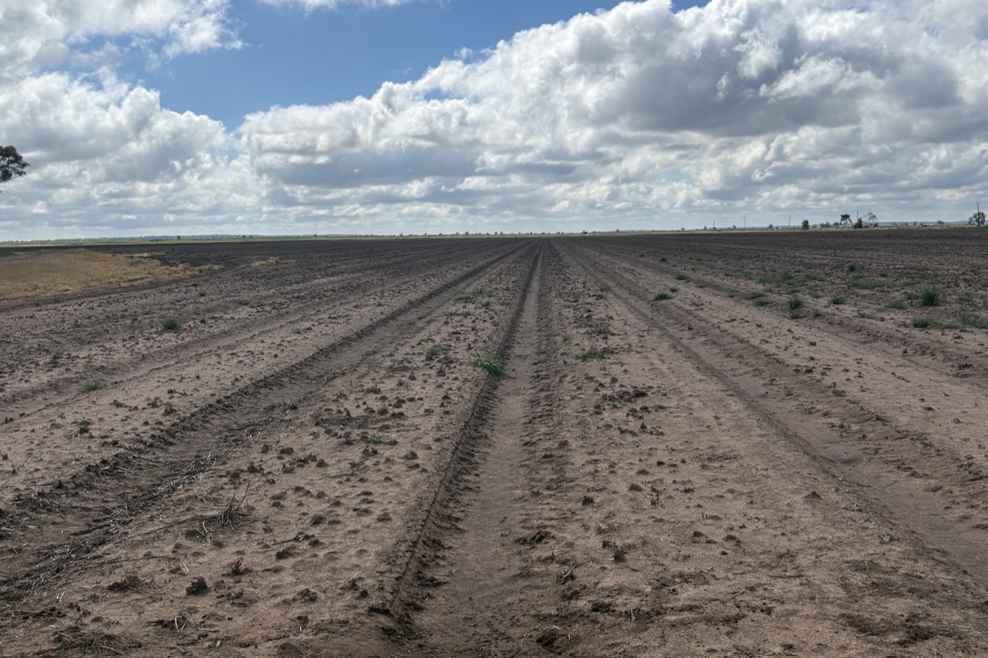
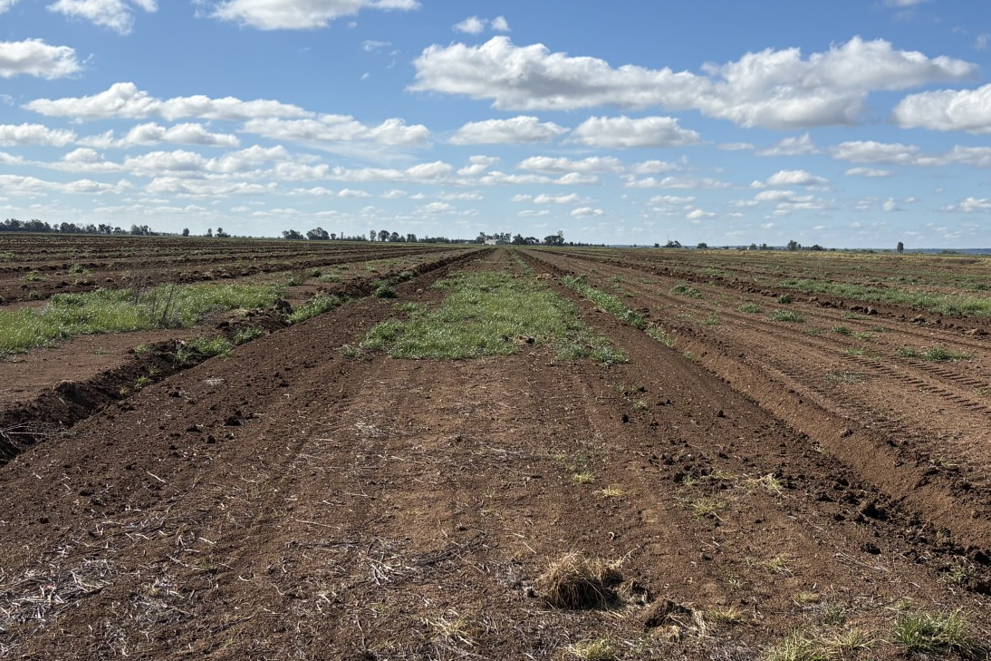
Raised beds are paddock configurations designed to improve trafficability, water management and crop performance in irrigated farming systems. These are shallow raised planting area separated by furrows. In a rice rotation, these furrows act as shallow drainage lines that aide free movement of water on and off the field
Published: September 2026
Key benefits
Improved drainage in low areas within bays
Improved and more uniform establishment, especially where large flat bays are not perfectly level and water would otherwise lay following the second flush or rainfall soon after the first flush
Improved trafficability
Easier transition and better establishment of winter crop following rice harvest
Improved yield of winter crop due to decreased waterlogging and flexibility to irrigate both earlier and later in the season
Where may they be useful?
Beds may suit paddocks where water sits in low areas, establishment is uneven, trafficability is difficult, or growers want a quicker turnaround into winter crop.
They work best where the bay layout, soil conditions and machinery suit forming and managing beds.
Recommended configurations
Bed configurations vary. While 2m centre-to-centre spacing is the most common, growers have trialled and used 3m, 4m and 6m beds, as well as combinations such as 2m tram tracks spaced 8m apart.
In a traditional bed system for alternative summer crops, furrows are generally around 250mm deep to help prevent roots from becoming waterlogged. For rice, the furrows simply act as shallow drainage lines, generally no more than 100mm deep. This allows rice plants to establish on the shoulders and within the furrows without compromising plant population.
When planning a bed configuration, choose a spacing that suits the machinery used for sowing, spraying and spreading. For example, on one farm a 6m bed configuration aligned with a 6m planter, 24m spreader and 36m spray rig. In this system, machinery traffic remained on top of the beds. In a 2m or 3m system, bed spacing can instead align with machinery wheel spacing, with traffic running in the furrows.
Getting the layout right
Following discussion at the MIA beds tour, layout was considered the most important factor when establishing beds or drainage lines.
Common factors that helped make bed systems more effective included:
Zero-grade bays.
A minimum step, or terrace, of 12–15 cm between bays.
Depending on bay width, a single or double bankless channel that is trafficable. This allows beds to be pulled all the way through, with turning operations occurring on tracks rather than within the paddock.
These layouts and associated infrastructure support high water flows. Bay size, length and accessibility can also improve water and machinery efficiency, as well as the overall flexibility of the system.
Implement options
Common conversation regarding beds for rice systems from those that have been practicing it for more than 15 years is that you don’t have to spend a fortune on gear. One example is a rejuvenated Yeomans plough illustrated below.
Common implements used to construct beds include:
Bed shaper/formers
Hilling up rigs
Retrofitted ploughs
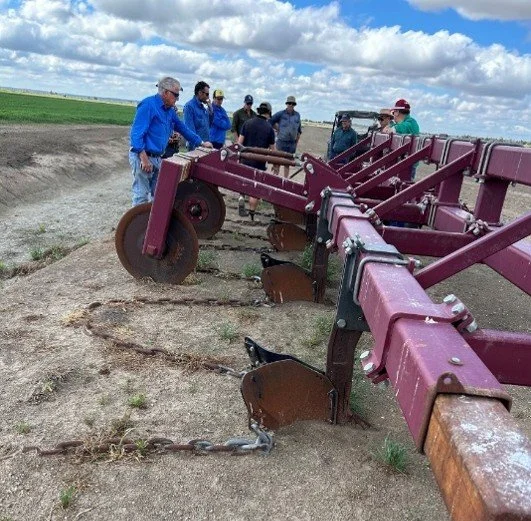
Following the Rice Extension bed tour to MIA, the group saw perfect examples of how to retrofit existing implements to create beds.
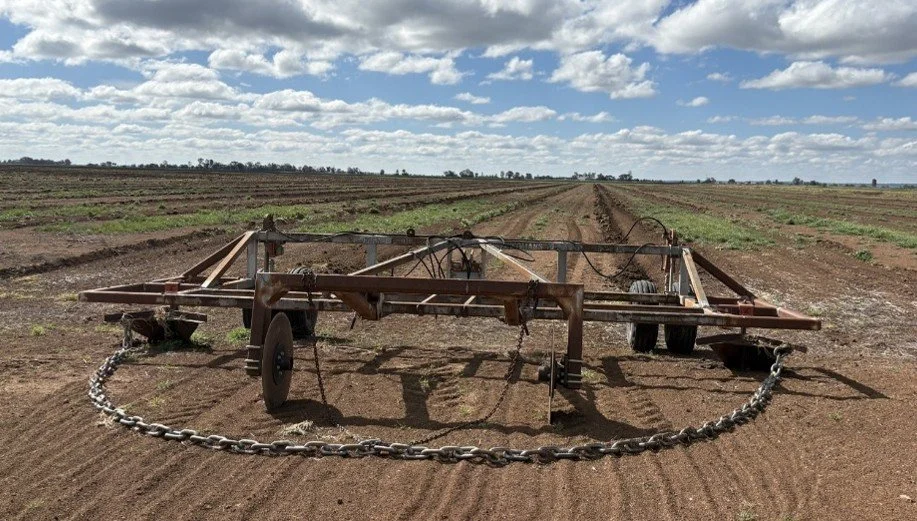
Picture 3: A reused Yeomans Plough with listers, discs for traffic stability and chain to drag soil away from bed shoulders to create 6 metre beds
Picture 4: 8m toolbar with listers and heavy chain to drag soil away from edge of furrow. Discs at rear for tracking stability.
When should beds be formed?
As with any preparation, the earlier the better. Forming up beds the previous autumn is ideal to allow plenty of time for beds to consolidate. While it is possible to put them in just prior to planting, cloddy or ‘fluffy’ seedbeds will decrease establishment with poor soil/seed contact, increased seed sink and potential crusting issues.
Success in practice
Rice - At a CIA focus site, poor establishment in the bottom bays reduced the paddock average by up to 2t/ha. Implementing beds the following season, helped achieve a consistent plant population and alleviated this yield difference.
Winter crop following rice - results can often be variable due to poor establishment, waterlogging and inability to water either early or late in the season. Beds alleviate all of these issues for more consistent winter crop results and overall system flexibility.
Key takeaways
Get the layout right first. Ensure good access and ability to pull beds right through with all turnaround operations on tracks outside of the paddock.
Implementing beds in rice based farming systems will
improve crop establishment in rice and subsequent winter crops
improve paddock trafficability allowing for more timely operations
prevent waterlogging of subsequent winter crop
improve flexibility of the farming system.
Further resources